Garam masala is an aromatic Indian spice blend used to add warmth, depth, and a distinctive finishing character to many everyday and festive dishes. You can use it in vegetable curries, paneer preparations, dals, rice dishes, and rich gravies, but when you add garam masala can make a noticeable difference to the final flavour and aroma.
Unlike spices that are commonly cooked at the beginning of a recipe, garam masala is often added during the later stages of cooking. The exact quantity and timing depend on the dish, the strength of the blend, and the other spices being used.
In this guide, Prayosha Meera Spices explains how to use garam masala, when to add it, and how to incorporate it into different Indian dishes without allowing it to overpower the rest of the flavours.
What Is Garam Masala?
Garam masala is a blend of aromatic spices used extensively across Indian cooking. There is no single universal recipe for garam masala; its composition and proportions can vary between regions, households, and spice manufacturers.
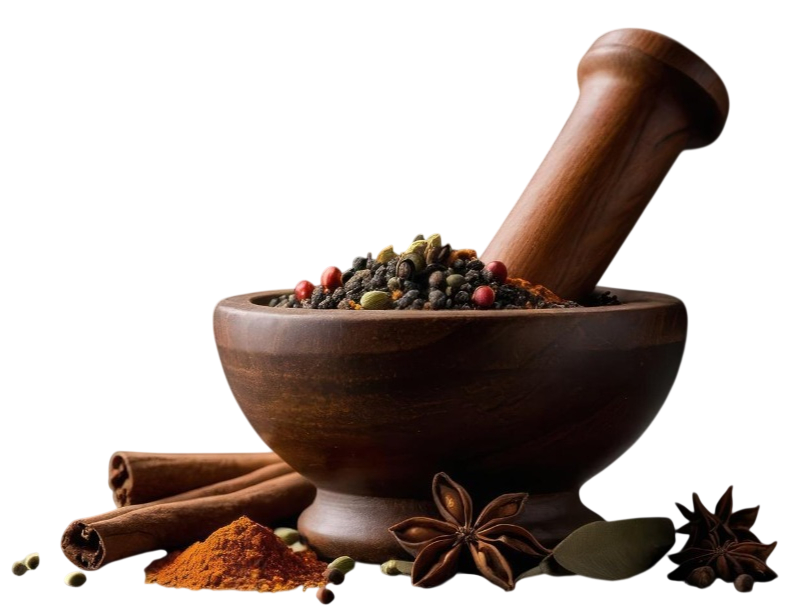
Depending on the blend, ingredients may include aromatic whole spices such as coriander, cumin, cinnamon, cloves, cardamom, black pepper, and other spices.
Its primary role is not simply to make food spicy or hot.
Instead, garam masala is generally used to provide aroma, warmth and additional flavour complexity to a finished or nearly finished dish.
This is why garam masala should not automatically be treated as a replacement for chilli powder, turmeric, coriander powder or other individual spices used throughout a recipe.
When Should You Add Garam Masala While Cooking?
Garam masala is commonly added towards the later stages of cooking so its aromatic character remains noticeable in the finished dish.
For many curries, sabzis and gravies, you can add a small quantity once the primary ingredients have cooked and then allow it to combine with the dish for a short period.
However, there isn’t one timing rule that applies to every recipe.
Indian cooking frequently builds flavour in stages. Whole spices may be tempered in oil first, while ingredients such as turmeric, chilli and coriander powder may be incorporated earlier into the masala base. Garam masala can then provide another layer of flavour closer to the end.
Always follow the requirements of the particular recipe you’re preparing.
How Much Garam Masala Should You Use?
Start with a small quantity and adjust according to the size of the dish and strength of the spice blend.
Garam masala contains several aromatic spices, so using more does not necessarily make a dish better. Too much can dominate subtler ingredients and make different dishes taste unnecessarily similar.
The appropriate quantity depends on:
- The number of servings
- Type of dish
- Other spices already present
- Strength of the garam masala
- Desired flavour intensity
When you’re unfamiliar with a particular blend, beginning conservatively is usually more practical than adding a large amount immediately.
You can always adjust the seasoning as you become familiar with how the masala performs in your cooking.
How to Use Garam Masala in Different Indian Dishes
One of the advantages of keeping garam masala in your spice cabinet is its versatility. It can complement a range of dishes without requiring the same cooking technique every time.
1. Vegetable Sabzi
Garam masala can provide an aromatic finishing layer to many vegetable preparations.
Prepare the sabzi with the recipe’s base spices and vegetables first. Depending on the recipe, add garam masala during the later stages and mix it thoroughly so that it coats the vegetables evenly.
It can work particularly well in mixed vegetable preparations and richer sabzis where several spices are already being used.
The key is balance: you should still be able to taste the vegetables and other seasonings.
2. Paneer Dishes
Paneer provides a relatively mild base that works well with aromatic Indian spices.
In paneer gravies, garam masala can be incorporated after the tomato, onion or other gravy ingredients have cooked sufficiently. It contributes an aromatic layer without needing to become the dominant flavour.
For dry or semi-dry paneer preparations, a smaller finishing quantity can also work well.
The appropriate technique will depend on whether you’re preparing a simple home-style paneer sabzi or a richer gravy.
3. Dal
Dal demonstrates why garam masala should be treated as one component of a spice profile rather than the entire seasoning.
Different dals may already contain cumin, mustard seeds, hing, turmeric, chilli and other spices through the cooking process or tadka.
A modest quantity of garam masala can be incorporated towards the end when the recipe calls for a warmer aromatic finish.
It shouldn’t overwhelm the flavour of the lentils or the tadka.
4. Curries and Gravies
Garam masala is particularly useful in Indian gravies where flavours are developed gradually.
A typical curry may start with oil or ghee, whole spices, onion, ginger, garlic, tomato and ground spices. Once the base develops and the main ingredients cook, garam masala can contribute another aromatic dimension.
This layered approach helps explain why simply adding a large spoonful of garam masala at the beginning isn’t equivalent to building flavour throughout the cooking process.
5. Rice Dishes
Certain pulao and other seasoned rice preparations can also use garam masala.
However, rice dishes often contain whole aromatic spices as well, so consider the overall flavour profile before adding more spice.
The objective should be a balanced aroma rather than allowing one masala to overpower the rice and other ingredients.
How to Use Garam Masala in Different Indian Dishes
Garam masala and chilli powder perform different jobs in Indian cooking.
Chilli powder is primarily used to contribute chilli flavour, heat and, depending on the variety, colour.
Garam masala is a multi-spice aromatic blend.
This means adding more garam masala is not necessarily the right solution when you want a dish to become hotter.
Likewise, adding chilli powder does not recreate the aromatic complexity associated with garam masala.
Many Indian recipes use both because they serve different purposes within the same dish.
Garam Masala vs Sabji Masala
Although both are spice blends, garam masala and sabji masala should not automatically be considered interchangeable.
Garam masala is generally used for its aromatic characteristics across several types of Indian dishes.
Sabji masala, as the name suggests, is formulated specifically around vegetable preparations.
The exact difference depends on the formulation of each blend, which is why cooks should consider the intended application rather than assuming that all blended masalas produce the same result.
Prayosha Meera also offers spice blends developed for different cooking applications, allowing you to choose a masala based on the dish you’re preparing.
Can You Add Garam Masala at the Beginning?
You can encounter recipes that use garam masala at different stages, so there is no universal prohibition against adding it earlier.
However, adding garam masala later in the cooking process is common when you want to retain more of its aromatic character.
If a recipe uses it early, cooking changes how those spices express themselves in the final dish.
This is also why following a tested recipe is more useful than applying one rigid rule to every curry, dal or sabzi.
How to Avoid Using Too Much Garam Masala
One of the easiest mistakes when learning Indian cooking is assuming that more masala automatically means more flavour.
Instead:
- Start with a modest quantity.
- Consider what spices are already present.
- Taste the dish where practical.
- Give the masala time to combine with the other ingredients.
- Increase gradually if the recipe genuinely needs it.
If the aroma of garam masala completely masks the vegetables, paneer, lentils or other main ingredients, the overall seasoning may be out of balance.
Good spice usage is about building complementary layers of flavour, not making every ingredient compete for attention.
How to Store Garam Masala
Proper storage helps protect the aroma and quality of ground spices.
Keep garam masala in a cool, dry place away from direct sunlight and moisture. Close the package or container properly after use, and always use a clean, dry spoon.
Avoid positioning frequently used spices directly beside sources of excessive heat or steam where possible.
Because garam masala is valued heavily for its aroma, good storage habits are especially worthwhile.
Explore Spices for Everyday Indian Cooking
A well-stocked Indian spice cabinet usually contains more than one masala.
Individual ground spices allow you to build the foundation of a dish, while blended masalas make it easier to achieve a particular flavour profile for specific preparations.
Prayosha Meera’s range includes ground spices, blended spices and whole spices for different Indian cooking requirements.
Rather than treating every masala as interchangeable, choose spices according to the dish you’re preparing and understand what each ingredient contributes.
That approach gives you considerably more control over the flavour, aroma and character of your food.
Frequently Asked Questions About Garam Masala
What is garam masala used for?
Garam masala is an aromatic spice blend used in a variety of Indian dishes, including vegetable preparations, paneer dishes, dals, curries, gravies and some rice dishes. Its exact use varies by recipe, but it is commonly added to provide warmth, aroma and additional flavour complexity.
When should I add garam masala?
Garam masala is commonly added during the later stages of cooking, particularly when the aim is to preserve more of its aromatic character. However, recipes vary, and some use the blend at other stages. Follow the requirements of the specific dish rather than applying one rule to every recipe.
Can I use garam masala in sabzi?
Yes. Garam masala can be used in many vegetable sabzis when its flavour complements the other ingredients. Usually, only a modest amount is required. You can also use a dedicated sabji masala when you want a spice blend formulated specifically around vegetable preparations.
Is garam masala the same as chilli powder?
No. Garam masala is a blend of several aromatic spices, whereas chilli powder is made from chillies and is primarily used for chilli flavour, heat and sometimes colour. Indian recipes may contain both because they perform different functions.
Can you use too much garam masala?
Yes. Using too much garam masala can overpower the main ingredients and other seasonings in a dish. Start with a smaller quantity, particularly when trying a new blend, and adjust according to the recipe, serving size and desired flavour intensity.
How should I store garam masala?
Keep garam masala properly sealed in a cool, dry place away from direct sunlight and moisture. Use a clean, dry spoon and close the container or packet after use. Good storage practices help protect the spice blend’s aroma and quality.