
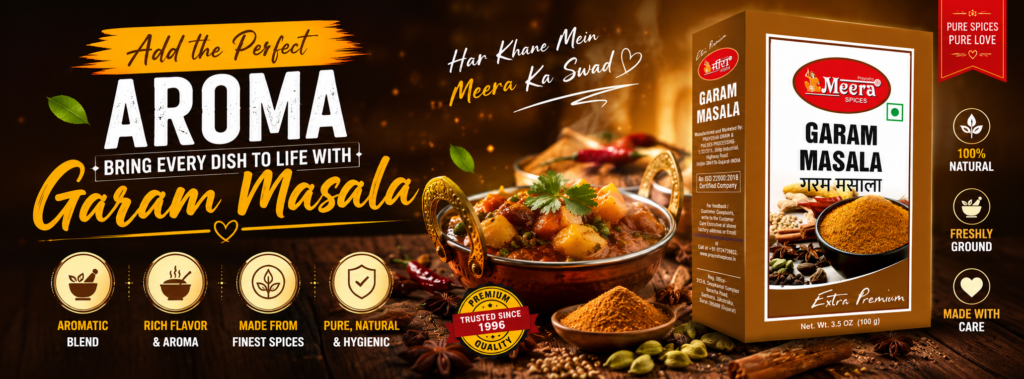
Finding good retailers is one of the most important steps in growing a spice business. You may have good quality spices, attractive packaging, and competitive prices, but you still need the right shops to sell your products to customers.
A strong retailer network can help you reach more customers, enter new areas, and increase repeat sales. The good news is that you do not always need a large sales team to find spice retailers. With proper research and regular communication, even a small spice business can build a strong retail network.
Here are some practical ways to find new retailers for your spice business.
What Do Retailers Look for in a Spice Brand?
Before contacting retailers, it is important to understand what they need.
Retailers want products that are easy to sell and give value to their customers. They may check the product quality, packaging, price, shelf life, available pack sizes, supply, and their expected margin.
They may also want to know whether you can deliver products regularly. If a product starts selling well but stock is not available, the retailer may move to another supplier.
Before approaching a retailer, make sure you can clearly explain your products, prices, delivery process, and business terms.
1. Start With Local Grocery Stores
Your local market is a good place to start.
Visit grocery stores, supermarkets, provision stores, and other food shops in your city. Look at the spice brands they already sell and understand which products have more shelf space.
Make a simple list with the store name, location, contact number, contact person, and current status.
Do not try to sell immediately during your first conversation. Introduce your business, ask what types of spices sell well in their store, and understand what they expect from a supplier.
This information can help you make a better offer.
2. Visit Wholesale Markets
Wholesale markets can help you connect with many people in the food business.
Spice wholesalers and distributors often work with a large number of retailers. One good wholesale connection may help you reach shops in different areas.
Visit wholesale food markets in your target city and speak with wholesalers who deal in spices, grocery products, and FMCG products.
Ask which spice products are in demand and what retailers usually expect from new suppliers.
This is also a useful way to understand local prices and competition.
3. Ask Existing Retailers for References
Your current retailers can help you find new retailers.
If a retailer is happy with your products and service, ask if they know another shop owner who may be interested.
Keep the request simple.
For example:
“Thank you for working with us. We are looking to supply our spices to more stores in this area. If you know any retailer who may be interested, please feel free to connect us.”
A reference from another retailer can make the first conversation easier because there is already some level of trust.
4. Use Google Maps and Online Search
Google Maps can be a simple tool for finding retail customers.
Search for terms such as:
- Grocery stores in Surat
- Supermarkets in Ahmedabad
- Provision stores in Mumbai
- Grocery wholesalers in Pune
- Spice retailers in Delhi
Change the city or area depending on where you want to expand.
Create a list of suitable businesses. Add their phone number, website, address, and other available details.
Do not contact every business without checking it first. Spend a few minutes understanding whether the store is suitable for your spice products.
This can save time and improve the quality of your retailer leads.
5. Attend Food Exhibitions and Business Events
Food exhibitions, trade shows, FMCG events, and local business exhibitions can help you meet retailers, wholesalers, and distributors.
The main benefit is face-to-face communication.
You can show your products, explain your range, understand buyer requirements, and collect contact details.
Before attending an event, prepare your product catalogue, visiting cards, price information, and samples if needed.
After the event, contact interested businesses while they still remember your discussion.
6. Work With Distributors
A distributor can help you enter areas where you do not have your own sales network.
Distributors usually have relationships with retailers in their market. This can make it easier to introduce your spice products to more stores.
However, choose distributors carefully.
Understand the areas they cover, the types of retailers they work with, their product categories, payment terms, and delivery system.
A distributor should fit your business needs instead of simply having a large contact list.
7. Use Digital Platforms
Digital platforms can also help you find spice retailers.
LinkedIn can be useful for finding distributors, wholesalers, purchasing professionals, and business owners. B2B platforms such as IndiaMART may also help businesses connect with potential buyers.
WhatsApp Business can be useful for sharing catalogues, product information, price lists, and business updates with interested retailers.
Social media can also help retailers discover your brand.
Keep your communication professional. Avoid sending the same sales message repeatedly. First understand the retailer’s business and then share information that is relevant to them.
8. Make Your Products Retailer-Friendly
Finding new retailers is only one part of the process. Your products should also be easy for retailers to sell.
Pay attention to packaging, clear labels, useful pack sizes, pricing, product variety, and regular stock availability.
You should also understand which spices have better demand in a particular market.
Instead of offering every product at once, start with products that match the retailer’s customers.
For example, one store may need everyday spices such as turmeric powder, chilli powder, coriander powder, and cumin. Another retailer may have demand for a wider range.
Understanding these differences can help improve spice sales.
9. Prepare Before Contacting Retailers
Good preparation makes your business look more professional.
Before contacting new retailers, keep these details ready:
- Product catalogue
- Price list
- Available products
- Pack sizes
- Retail margin details
- Minimum order information
- Samples, if available
- Delivery details
- Payment terms
- Company details
- Contact information
You do not need to send everything in the first message. Share the information according to the retailer’s interest.
10. How to Approach a New Spice Retailer
Start with a short introduction.
Tell the retailer who you are, what products you offer, and why you are contacting them. Then ask about their current spice requirements.
You can use a message like this:
“Hello, I am contacting you regarding our spice range. We supply spices for retail businesses and are looking to work with selected retailers in your area. I would like to understand your current spice requirements and share suitable product details. Please let me know if you are interested.”
If the retailer shows interest, share the catalogue, prices, and other required information.
Give them enough time to review your offer. Keep your next communication polite and useful.
How to Build Long-Term Retailer Relationships
Getting the first order is important, but keeping the retailer is even more valuable.
Maintain consistent product quality and supply. Respond quickly when a retailer has a question or problem. Keep clear records of orders, payments, and discussions.
You can also ask retailers which products customers request most often. Their feedback can help you understand the market better.
Trust grows when you deliver what you promise.
How Prayosha Meera Spices Can Support Retail Businesses
Businesses looking to build their spice product range can explore Prayosha Meera Spices and learn more about its available spice products.
Before choosing any spice supplier or business partner, retailers and distributors should discuss product requirements, pricing, packaging, order quantities, delivery terms, and other business details.
The right partnership should work well for both the supplier and the retailer.
Common Mistakes to Avoid
Many spice businesses focus only on finding more contacts. Quality matters more than the size of your contact list.
Avoid contacting unsuitable retailers, competing only on price, sending too many messages, ignoring retailer requirements, or failing to keep records.
Also, do not stop communicating after the first order. Regular professional communication can help turn a new retailer into a long-term customer.
Final Thoughts
If you want to find spice retailers, start with a clear and simple process.
Research local stores, explore wholesale markets, use online search, build distributor relationships, attend business events, and ask existing retailers for references.
Most importantly, understand what each retailer needs before trying to sell.
A strong retail network takes time to build. Focus on the right retailers, good products, reliable supply, clear communication, and long-term relationships. These steps can help you reach new markets and increase spice sales steadily.
FAQs
1. How do I find new retailers for my spice business?
Start with grocery stores, supermarkets, provision stores, and wholesalers in your target area. You can also use Google Maps, local markets, business events, distributors, and B2B platforms to find potential retailers.
2. What should I say when approaching a retailer for the first time?
Keep your introduction short. Tell them what spices you supply, ask what products they currently sell, and understand their requirements before discussing prices, margins, and samples.
3. Why would a retailer choose my spice brand over another brand?
Retailers usually look at product quality, customer demand, pricing, margin, packaging, supply reliability, and service. Give them a clear reason why your products can be a good fit for their customers.
4. Should I give free samples to new retailers?
Samples can be useful when a retailer wants to check the product before placing an order. Instead of giving samples to everyone, offer them to retailers who show genuine interest in your products.
5. How can I get retailers in a new city where I have no contacts?
Start by searching for grocery stores, wholesalers, and distributors in that city. Create a list of suitable businesses, contact them directly, and plan market visits if you find enough potential retailers.

Mr. Brijesh Akoliya
Brijesh Akoliya is an entrepreneur, spice industry professional, and passionate blogger. As the founder of a spices company, he shares insights on spices, food, business, and industry trends, combining his entrepreneurial experience with a passion for quality, authenticity, and innovation.