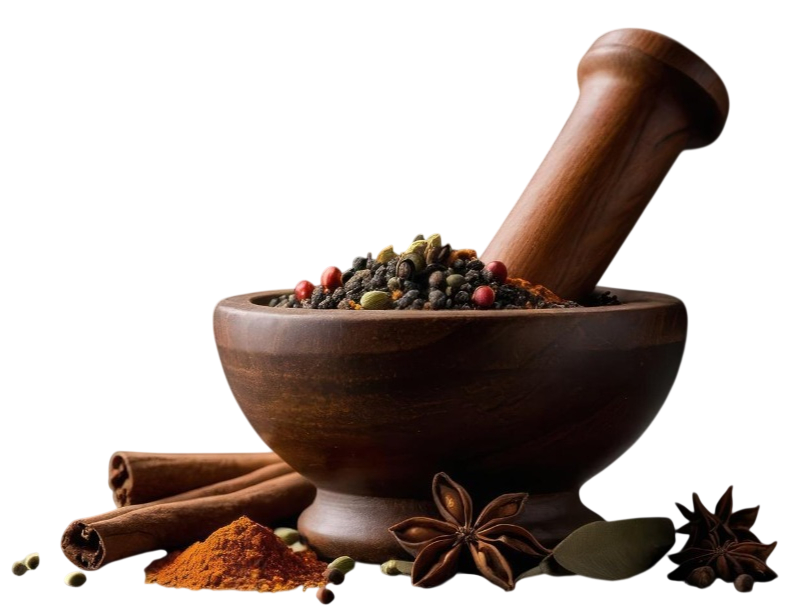
Yes, spices can be part of a healthy diet. They add taste, colour, and aroma to food. Many spices also have natural plant compounds. But spices work best as part of a balanced diet. They are not medicines.
Are Spices Healthy?
Spices can be part of normal, healthy meals. They add flavour without adding many calories. A pinch of turmeric or cumin does not change the calorie count of your food much.
Many spices contain natural plant compounds. Research has studied some of these compounds. But that doesn’t mean spices work like medicine.
Spices are also different from spicy food. A dish can have many healthy spices without being hot or chilli-heavy. Taste and heat are two different things.
How Can Spices Fit Into a Healthy Diet?
Spices can make simple food taste better. This helps people enjoy healthy food more often.
Think about plain dal or boiled vegetables. They are healthy, but not always exciting to eat. Add some jeera, haldi, or dhania, and the same food becomes tasty.
This matters because when food tastes good, people are more likely to eat it regularly. Spices can also help reduce the need for extra salt, sugar, or heavy sauces. The flavour already comes from the spices.
Healthy Spices for Everyday Indian Cooking
Here are common spices found in most Indian kitchens.
Turmeric
Turmeric (Haldi) has an earthy taste and bright yellow colour. It is used in almost every Indian dal, sabzi, and curry. It contains a compound called curcumin, which researchers have studied.
Cumin
Cumin (Jeera) has a warm, nutty flavour. It is often added to hot oil first, a step called tadka. This is common in dal, sabzi, and rice dishes.
Coriander
Coriander (Dhania) has a mild, light flavour. It is used as seeds or powder in curries, and as fresh leaves for garnish.
Black Pepper
Black Pepper (Kali Mirch) has a sharp, strong taste. A little black pepper can add flavour to soups, dal, or vegetables without adding salt.
Mustard Seeds
Mustard Seeds (Rai) are used for tempering, mainly in South and West Indian cooking. They pop and release flavour when added to hot oil.
Cinnamon
Cinnamon (Dalchini) has a warm, slightly sweet taste. Small amounts are used in biryani, curries, and masala chai.
Caramom
Cardamom (Elaichi) has a sweet, strong smell. It is used in both sweet and savoury dishes, and is common in Indian tea masala.
Ginger
Ginger has a sharp, warm taste. It is used in dal, curries, tea, and stir-fried vegetables almost every day in Indian homes.
How to Use Spices in Healthy Everyday Meals
Here are simple, practical ways to use spices at home:
- Add jeera and haldi to dal while cooking
- Use dhania powder and cumin in sabzi
- Add black pepper to soups or light meals
- Use mustard seeds for tadka in vegetables
- Add cinnamon and cardamom to rice or chai
- Try simple masala mixes in homemade curries
These small steps can make everyday food more enjoyable, without needing extra salt or oil.
Can Spices Help Reduce Salt in Cooking?
Yes, spices can help reduce salt in cooking. When food already tastes good from spices, people often need less salt.
The World Health Organization recommends using herbs and spices to add flavour while reducing sodium intake. This is a simple, practical tip for home cooking.
But spices do not remove salt from every recipe. Some dishes still need a small amount of salt to taste right. The idea is to use less salt, not zero salt.
Whole Spices, Ground Spices, or Masala Blends?
Whole spices, like whole cumin or cardamom pods, are good for tempering and slow cooking. They give a stronger aroma when heated in oil.
Ground spices are easy to use. You can mix them directly into dal, sabzi, or curries without extra steps.
Masala blends mix several spices. They save time in the kitchen. But it helps to check the ingredient list, since some blends have added salt or other ingredients.
A Balanced Diet Still Matters
This is important to understand. Spices can add taste and variety to meals. But they cannot make an unhealthy diet healthy by themselves.
A balanced diet also needs:
- vegetables
- fruits
- pulses
- whole grains
- protein foods
- enough water
Spices work best when they support a balanced diet, not replace it. Think of spices as a helper, not a solution on their own.
Frequently Asked Questions
Are spices healthy?
Yes, in normal cooking amounts, spices add flavour and some natural plant compounds to food. They work best alongside a balanced diet, not as a stand-alone health fix.
Can you eat spices every day?
For most people, common Indian spices like turmeric, cumin, and coriander are safe to eat daily in normal cooking amounts. If you have allergies or health conditions, check with a doctor first.
What are the healthiest spices?
There is no single “best” spice. Turmeric, cumin, coriander, black pepper, cinnamon, and ginger are all common, useful spices in everyday Indian cooking.
Are Indian spices healthy?
Yes, Indian spices like turmeric, cumin, and coriander can be part of a healthy diet, especially when used with vegetables, dal, and whole grains.
Can spices help reduce salt in cooking?
Yes, spices add flavour, so people may need less added salt. The World Health Organization suggests herbs and spices as one way to lower sodium in food.
Final Thoughts
A healthy diet is mostly about balance. Vegetables, dal, whole grains, and fruits, cooked simply at home, form the base of good eating. Spices support this by adding flavour and variety, making everyday meals more enjoyable.
Prayosha Meera Spices offers spices and masalas that can be used in everyday Indian cooking, helping simple home meals taste better every day.

Mr. Brijesh Akoliya
Brijesh Akoliya is an entrepreneur, spice industry professional, and passionate blogger. As the founder of a spices company, he shares insights on spices, food, business, and industry trends, combining his entrepreneurial experience with a passion for quality, authenticity, and innovation.